
Real-world ownership becomes easier to evaluate once you’ve reviewed Greenville growth neighborhoods and matched that research against how properties perform after move-in. Some rentals fall into a steady rhythm, while others create constant coordination because shared living adds more points of failure and more opportunities for conflict.
At PMI Upstate SC, we manage strictly residential properties across Greenville, and we see how structure shapes outcomes. Single-family homes often deliver smoother daily operations, clearer pricing control, and more predictable maintenance planning. The sections below break down what tends to make detached homes easier to run, and how those advantages can support smarter acquisition and management decisions.
Key Takeaways
- Single-family homes reduce friction by limiting shared systems and shared living spaces.
- Private outdoor areas and adaptable layouts can support stronger tenant retention.
- Neighborhood-based competition often allows for more strategic rent positioning.
- Maintenance planning is simpler when repairs stay contained to one household.
- Scaling can feel more manageable when each asset is easier to track and operate.
Daily operations feel lighter when homes stand alone
Single-family homes are designed for one household’s lifestyle, and that matters once routine issues start popping up. In higher-density properties, shared walls, stairwells, and parking lots can turn small annoyances into recurring disputes. That often pulls owners into mediation mode more often than expected.
Detached homes reduce those touchpoints. Tenants typically handle their routines without negotiating space or noise expectations with neighbors living feet away. That separation can cut down on complaint frequency and make communication easier when something does need attention.
Why fewer shared areas matters
Lower density often means fewer messages about noise, trash overflow, visitor parking confusion, and shared-space wear. Over time, the reduced friction can translate into more consistent management and fewer “urgent” requests that aren’t truly urgent.
Outdoor space can raise satisfaction and renewal odds
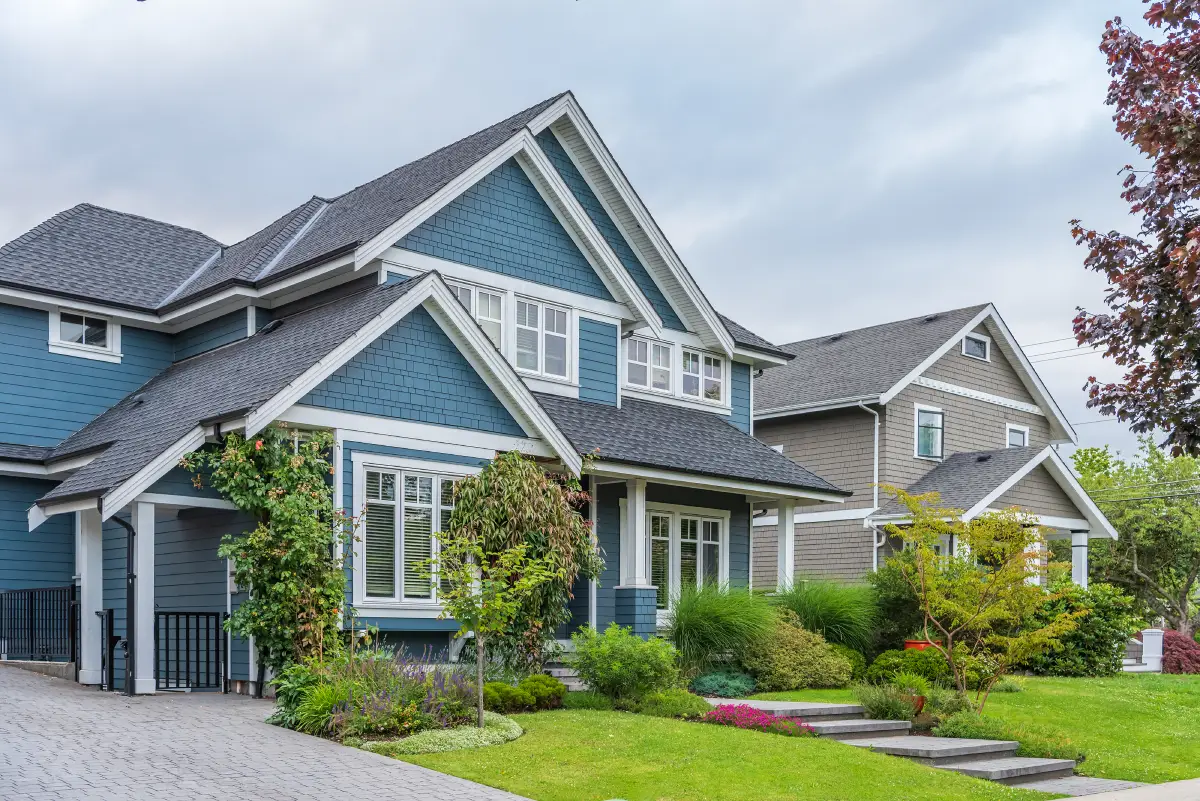
Outdoor space is a quality-of-life feature that plays especially well in Greenville’s neighborhood-driven market. Yards, porches, patios, and driveways create flexibility tenants can’t always find in denser properties. That flexibility often shows up in tenant satisfaction, and satisfaction tends to support renewals.
Private outdoor areas also support practical routines. Families may want space for play. Pet owners want usable room without shared pet areas. Many tenants simply want a place to decompress without feeling watched or crowded.
Here are a few outdoor features that frequently support stability:
- A fenced yard can broaden the applicant pool for pet-friendly households.
- A driveway can reduce daily parking headaches for tenants and guests.
- A porch or patio can add everyday comfort without shared amenity upkeep.
Layout flexibility supports longer tenancies
Floor plans influence turnover more than many owners expect. Single-family homes often have the bedroom count, storage, and general layout flexibility that helps tenants stay through life changes. A spare room becomes an office. A dining space becomes a schoolwork zone. A bonus room becomes guest space.
In Greenville, tenant needs can shift quickly as careers change, families grow, or work-from-home schedules evolve. When the home keeps fitting the tenant’s routine, moving becomes less appealing.
Matching layout to your strategy
If you’re refining your acquisition standards, guidance like profitable rental planning can help you evaluate floor plan practicality, not just square footage. Functional space, storage, and bedroom placement can do more for retention than trendy finishes that don’t hold up.
Pricing power works differently than in multifamily
Multifamily properties often face internal competition. Similar units can hit the market at the same time, and rent adjustments in one unit can influence the rest. Concessions can spread quickly, and owners may feel pressure to react on short notice.
Single-family homes compete more by neighborhood and features, which gives you more room to position rent based on location, condition, and livability. Instead of competing against identical inventory down the hall, you’re competing against other homes that vary in meaningful ways.
This divide shows up in broader rent dynamics too. In a referenced national trend, single-family rents were 20% higher than multifamily rents, underscoring how detached rentals can sit in a different pricing lane.
What pricing flexibility helps you do
Neighborhood-based competition can let owners price more strategically. Updates like durable flooring, improved curb appeal, and better outdoor usability can be reflected more cleanly in rent than in a building where many units look the same.
Maintenance planning is simpler without shared infrastructure
Repairs get complicated when systems are interconnected. In denser properties, a plumbing issue might require access across multiple units. A mechanical failure can impact several households. Scheduling becomes a coordination problem, and urgency can inflate costs.
Single-family homes usually isolate issues to one residence. That makes diagnosis faster and helps budgeting stay more predictable. You can plan reserves based on that home’s history rather than juggling shared components.
A practical way to structure maintenance planning is to track three categories:
- Major systems with known life cycles (roof, HVAC, water heater)
- Preventive maintenance rhythm (filters, seasonal checks, pest prevention)
- Wear patterns tied to tenant use (paint, fixtures, flooring)
Market signals still support demand for detached housing
Demand for detached living remains strong in many markets, and national housing data shows continued pricing strength for single-family homes. The median existing single-family home price reached $426,800 in the third quarter of 2025, reflecting sustained interest in that segment.
In Greenville, this often translates into renters who want the feel of a house even if they aren’t buying yet. That preference can support stable applicant demand for well-positioned single-family rentals.
Scaling choices are easier when each asset is simpler
Many residential investors prefer steady growth. Adding one property at a time can feel more manageable when each asset is easier to operate and evaluate. Single-family homes often support that style because performance is easier to isolate by address, and issues tend to stay contained.
If you’re planning growth, approaches like leverage growth strategy can help you think through scaling without taking on unnecessary complexity. The goal is to expand while keeping operations trackable.
Portfolio variety can include passive angles too
Some investors mix direct ownership with more passive real estate exposure. While our focus at PMI Upstate SC is strictly residential management, it can still be helpful to understand how other investment vehicles fit into a broader strategy.
Resources like REIT investing benefits can help frame how some owners balance hands-on rentals with alternative options, depending on goals, time availability, and risk tolerance.
Finding the right property is half the battle
Even a strong market won’t save a poorly chosen asset. Great rentals tend to share practical traits: functional layouts, manageable maintenance profiles, and locations that tenants consistently want.
If you want help narrowing options, tools that help you spot strong deals can be a helpful starting point, especially when you pair them with clear standards around condition, rentability, and long-term upkeep.
FAQs about Single Family Homes in Greenville, SC
How can single-family homes help reduce mid-lease disruptions in Greenville, SC?
Single-family homes often reduce disruptions because maintenance issues and lifestyle conflicts stay contained to one household. With fewer shared systems and spaces, problems are less likely to affect multiple tenants, which helps keep communication and repairs simpler.
What factors should owners review before setting rent for a single-family home in Greenville, SC?
Owners should weigh neighborhood comparables, home condition, parking, outdoor usability, and overall layout. These features shape tenant demand and can justify pricing adjustments more cleanly than in properties with identical nearby units.
What upgrades usually matter most for single-family rentals in Greenville, SC?
Durable flooring, fresh paint, reliable HVAC performance, and functional outdoor areas often deliver the strongest impact. These improvements support tenant comfort and reduce repair frequency, which can help increase renewals and reduce turnover costs.
How do single-family homes support a more consistent maintenance budget in Greenville, SC?
Budgets tend to be more predictable when repairs are tied to one residence and one system set. Tracking system life cycles and using preventive maintenance schedules can help owners plan replacements without reacting to emergencies.
When does it make sense to add another single-family rental in Greenville, SC?
It often makes sense once the current property shows stable cash flow, reserves are funded, and management processes are consistent. Adding homes gradually can keep operations trackable and reduce the risk of being stretched thin.
Make Greenville rentals feel easier to run
Consistency shows up when the property type fits the market and the management plan matches the asset. Single-family homes often create that fit in Greenville by lowering friction, supporting retention, and making maintenance planning easier to control.
PMI Upstate SC helps residential owners turn those advantages into repeatable performance with local execution and clear standards. Start building your next plan with us today!